
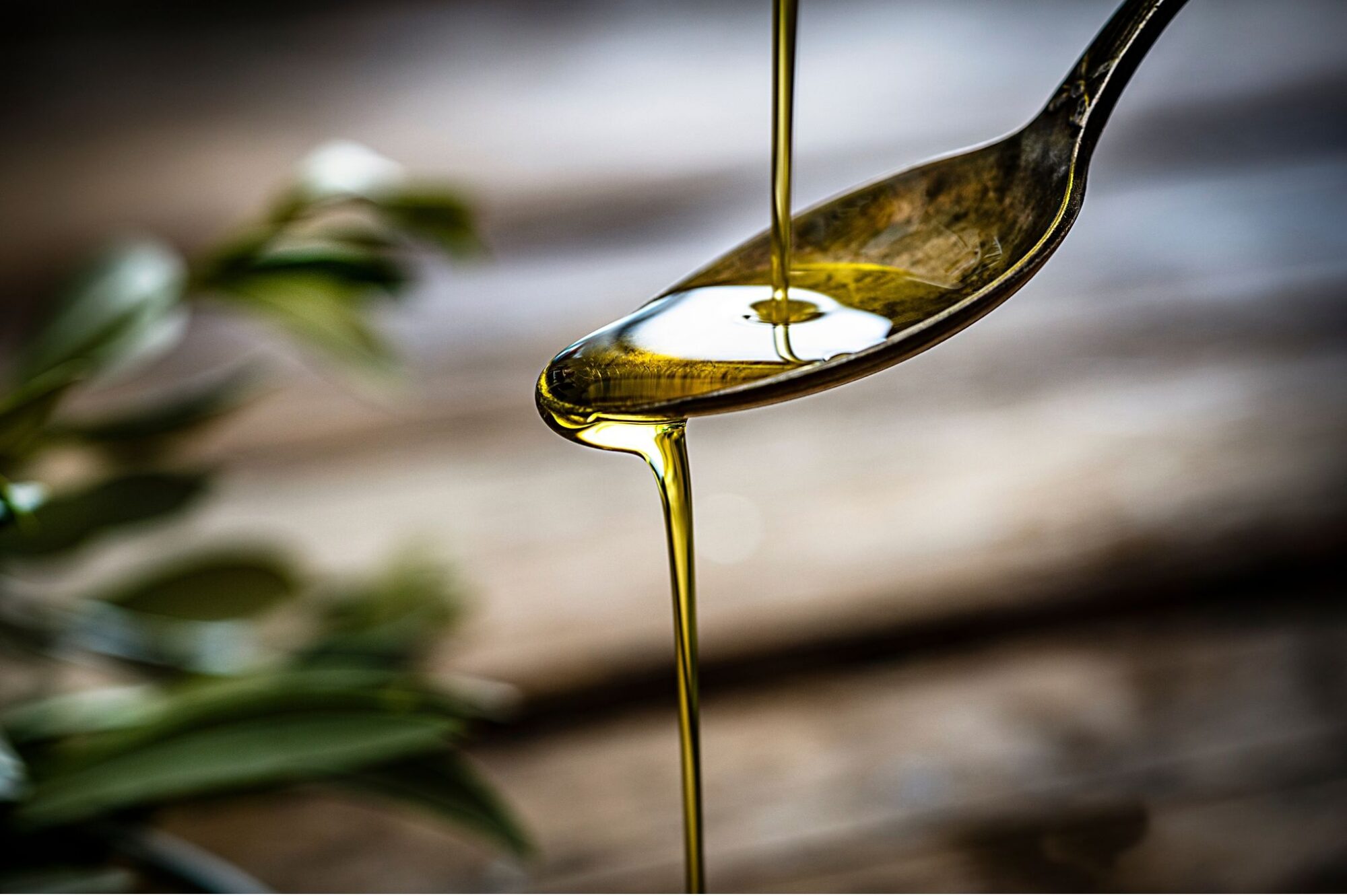
A nutrition expert explains why extra virgin olive oil deserves a place in your daily diet – and why it’s ideal for both cooking and frying.
Yianna Chatzidiakou publiced in ekathimerini.com
The benefits of high-quality (extra virgin) olive oil
Supports heart health
Extra virgin olive oil is rich in monounsaturated fats and oleic acid, which help lower LDL (“bad”) cholesterol while raising HDL (“good”) cholesterol.
Rich in antioxidants
It contains high levels of vitamin E and polyphenols (such as oleocanthal), which combat free radicals, protect cells from oxidative stress, and have anti-aging benefits.
Supports digestive health
Olive oil promotes healthy bowel function, helps protect the stomach against ulcers, and improves the absorption of fat-soluble vitamins from food.
Helps regulate blood sugar
It may help stabilize blood glucose levels, making it an excellent ally in the prevention and management of type 2 diabetes.
Does cooking reduce olive oil’s health benefits?
Cooking with high-quality extra virgin olive oil remains highly beneficial. Its monounsaturated fats are remarkably stable when heated, and the oil itself enhances the absorption of vitamins and antioxidants naturally present in foods during cooking.
Is olive oil good for frying?
Extra virgin olive oil is a great choice for frying because it remains stable at high temperatures, thanks to its monounsaturated fats and antioxidant compounds. It has a smoke point of approximately 180-210°C (356-410°F), well above the temperatures typically used for frying (around 170-180°C / 338-356°F).
As a result, it helps preserve the nutritional value of food and outperforms many seed oils, which are rich in polyunsaturated fats that oxidize and degrade much more easily when exposed to high heat, producing potentially harmful compounds.
How much olive oil should you consume each day?
The recommended daily amount of olive oil – whether consumed raw or cooked – as part of a balanced diet depends on your total energy requirements, since olive oil is calorie-dense (approximately 135 kcal per tablespoon). For this reason, it should be incorporated within a person’s overall daily calorie intake to help maintain a healthy body weight.
Dr Yianna Chatzidiakou, PhD, BSc, is a nutritionist and scientific associate at the Center for Public Health Research and Education of the Academy of Athens, and nutritionist at REA Maternity & Gynecology Clinic